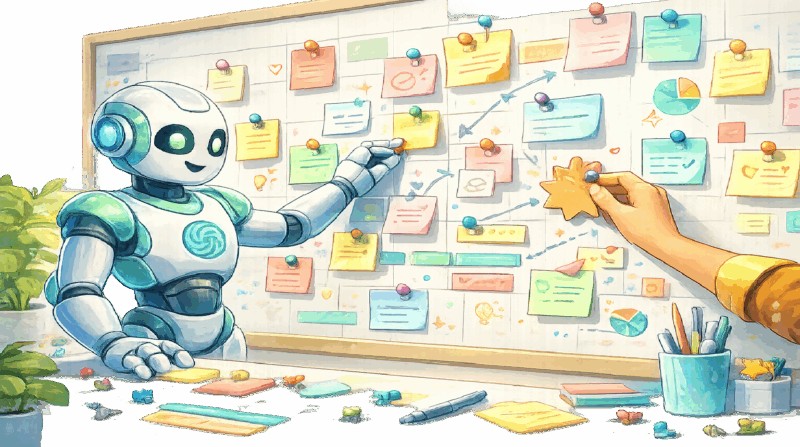
If you’re like me, you’re probably just getting around to writing out your content calendar for 2026. You’re also likely using AI for at least part of that process. In fact, a 2025 CoSchedule survey found that 85% of marketers use AI for some content creation and planning tasks, including building their content calendars.
When everyone uses AI tools to create content calendars, standing out gets harder. The answer is to humanize AI-generated plans and align them with your brand personality and story. Keep these five tips in mind as you review your calendar.
Pros and cons of letting AI write your content calendar
With competition intensifying and executive pressure to accelerate workflows with AI, many teams are turning to AI tools to help build their content calendars. Used well, AI can speed up planning and improve coverage. Used poorly, it can flatten differentiation and introduce risk.
Pros
- Speed: Generate and refine a content calendar in minutes rather than hours.
- Synthesis: Pull in inputs from multiple data sources, along with relevant information from across the web.
- Coverage: Compare your calendar against competitors to help identify gaps.
Cons
- Robotic output: Suggestions often sound alike because tools are trained on the same inputs.
- Knowledge gaps: AI rarely understands your products, audience, or internal priorities as well as you do.
- Accuracy risk: Hallucinations and outdated information mean outputs require careful verification.
Dig deeper: 9 mistakes that ruin your content plan and how to fix them
5 tips for humanizing your content plan before you begin writing
Before you start drafting, take time to review and refine your AI-generated plan. These five tips focus on adding human judgment where it matters most.
1. Check each title and keyword set against your audience personas
Ask your AI tool to pair keywords with the titles it generates. This helps shape outlines and guide writing in line with reader intent. Still, review each keyword for relevance and intent with your target audience in mind. Be especially cautious with high-volume terms when intent is only adjacent to your needs and a more specific keyword would better serve your audience.
For example, if you’re planning a series on vacation homes in Tampa, Florida, targeting “renters’ insurance” would likely miss the mark. “Vacation home insurance” is a better fit. While short-term and vacation rentals share overlapping needs, the differences between those terms can create confusion or attract poorly aligned traffic.
2. Do basic SEO checks
As you would with a human-created content calendar, run titles and keywords through an SEO tool to confirm your choices. The last thing you want is to rewrite briefs or scramble to replace poorly aligned articles later.
Next, use your preferred keyword tool to cross-reference calendar keywords against:
- Existing content to avoid cannibalizing traffic.
- Known content gaps so you can prioritize effectively.
- Search volume and difficulty to confirm topics are worth the investment.
Finally, trust but verify any information an AI tool provides. Validation is still a necessary step.
Dig deeper: Your content strategy just died. Here’s what comes next.
3. Align your calendar with key company events
Unless you have an internal system that includes corporate events, business priorities, and value-aligned holidays, you’ll need to align your content calendar with those moments manually.
Start by mapping the trade shows, conferences, and in-person or virtual events your company regularly participates in. Then plan or adjust the content to connect with those audiences. Also, research seasonal, monthly, national or daily observances that align with your company’s purpose and values.
A donut shop may not care about the back-to-school season, but it should take advantage of National Donut Day on June 5, 2026. Similarly, a veteran-owned accounting firm might plan content around Veterans Day but skip Mother’s Day.
4. Match your brand voice
Even at the planning stage, your content calendar should reflect your brand voice. There’s little value in a headline that is informative but bland when a small dose of personality can make it more engaging and memorable. This doesn’t mean turning every title into clickbait, but it does mean experimenting during planning rather than defaulting to safe, generic language. Matching your brand voice early helps ensure your content sounds human from the start.
If your brand voice is friendly and well-informed, Ann Handley’s newsletter Total Annarchy offers valuable inspiration. Subject lines like “Justice for Em Dashes!” and “New Data Just Dropped: Blogging in 2025” balance credibility with personality. Keep in mind that your meta title, which search engines may display, can differ from your on-page headline, which is designed to hook readers.
Dig deeper: How to optimize your blog’s posting schedule to gain traction
5. Leave room for brand-aligned thought leadership
Brand-aligned thought leadership is another effective way to humanize your content calendar and reinforce your values, promises, and personality. This might take the form of a monthly post from your head of product or an occasional perspective piece that reflects what your company stands for. Even lighter examples can serve a purpose if they align with your brand. Thought leadership content helps remind audiences why your company exists and what it believes.
Humanize from the planning stage
AI-assisted content planning is becoming ubiquitous, but it shouldn’t run the show. When you take control of the content calendar early and with intention, you’re more likely to build a plan that strengthens authority and supports long-term growth.
The post How to humanize an AI-generated content calendar for 2026 appeared first on MarTech.